Wellness
How Diabetes Causes Hypertension (High Blood Pressure)
By Chidera Ndubisi
•
March 26, 2026
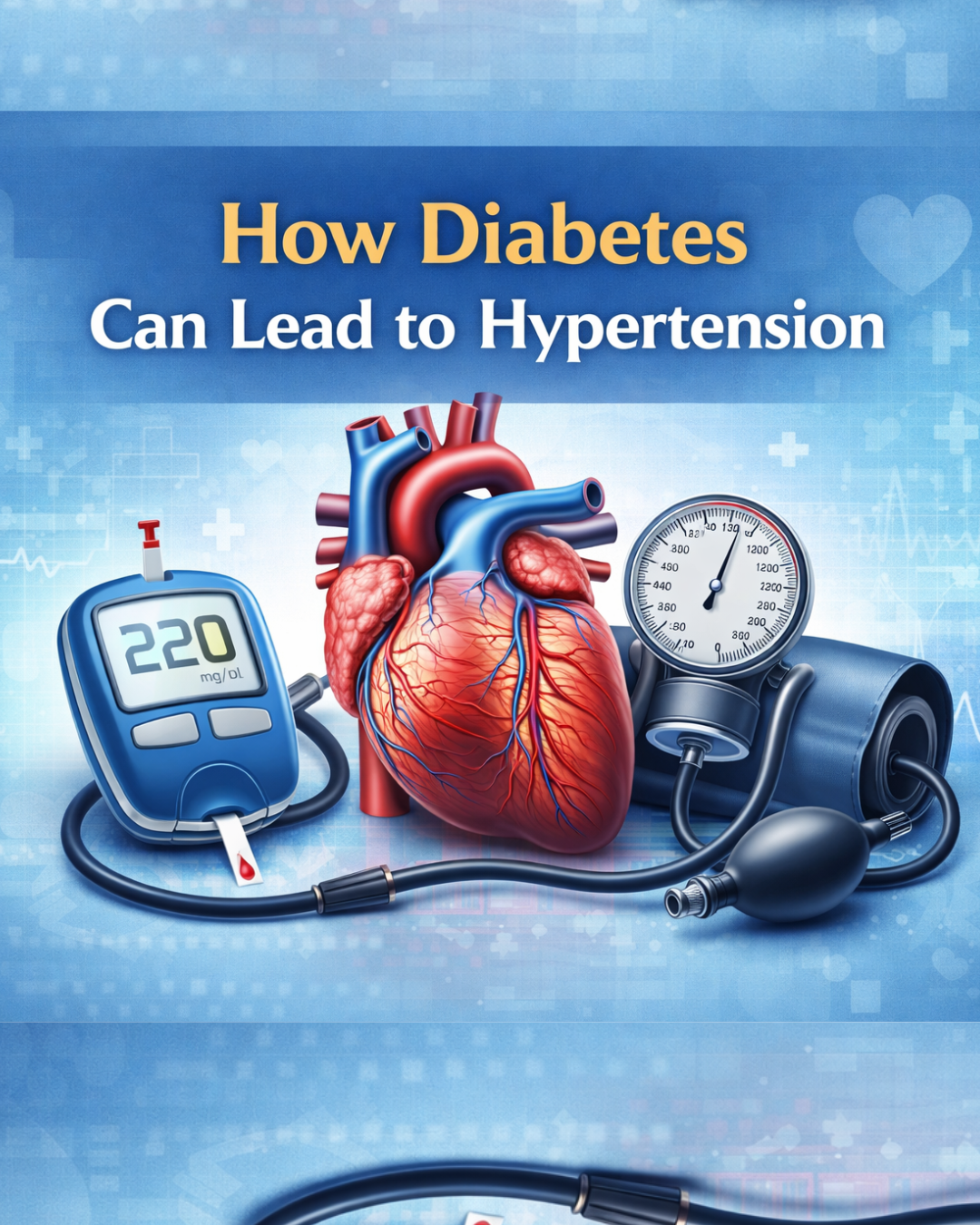
Diabetes and hypertension (high blood pressure) are two of the most common chronic health conditions worldwide. Many people manage them separately, but what’s often overlooked is how closely they are connected.
In fact, having diabetes significantly increases your risk of developing hypertension. When these two conditions occur together, they can accelerate damage to vital organs such as the heart, kidneys, eyes, and brain.
Understanding how diabetes leads to high blood pressure is an important step toward preventing long-term complications and maintaining overall health.
What Is Diabetes?
Diabetes mellitus, particularly type 2 diabetes, is a condition in which the body has difficulty regulating blood sugar (glucose). This typically happens due to insulin resistance, where the body’s cells do not respond effectively to insulin.
As a result, glucose builds up in the bloodstream instead of being used for energy. Over time, elevated blood sugar levels can damage various tissues and organs.
What Is Hypertension?
Hypertension, or high blood pressure, occurs when the force of blood pushing against the walls of the arteries is consistently too high.
It is often called a “silent condition” because many people experience no symptoms until complications develop. Without proper management, hypertension increases the risk of heart disease, stroke, and kidney failure.
How Diabetes Leads to Hypertension
Several biological processes explain why diabetes increases the risk of high blood pressure.
1. Damage to Blood Vessels
Persistently high blood sugar levels act as a chemical irritant within the bloodstream. Over time, this damages the inner lining of blood vessels (endothelium), making them:
Stiffer
Narrower
Less able to relax
As arteries become less flexible, the heart must pump harder to circulate blood. This increased force raises blood pressure.
2. Kidney Damage and Fluid Retention
The kidneys play a critical role in regulating blood pressure by controlling fluid and salt balance.
Diabetes can damage the tiny filtering units in the kidneys, known as nephrons. When these structures are impaired:
Excess sodium is retained
Fluid builds up in the bloodstream
Blood volume increases
This combination leads to a rise in blood pressure. Kidney damage is one of the strongest links between diabetes and hypertension.
3. Increased Inflammation and Hormonal Changes
Diabetes can trigger low-grade inflammation and disrupt hormonal systems that regulate blood pressure. These changes can further tighten blood vessels and increase resistance to blood flow.
Complications of Having Both Conditions
When diabetes and hypertension occur together, their effects are not simply additive—they amplify each other.
This increases the risk of:
Heart disease and heart failure
Stroke
Chronic kidney disease or kidney failure
Vision problems or blindness
Nerve damage (neuropathy)
Because both conditions can progress silently, complications may develop before a person realizes there is a problem.
Early Warning Signs to Watch For
Although hypertension often has no clear symptoms, the combination of diabetes and high blood pressure may present subtle signs, including:
Frequent urination, especially at night
Swelling in the feet or ankles
Persistent fatigue
Blurred vision
Headaches
Foamy or bubbly urine (a possible sign of kidney involvement)
These symptoms should not be ignored. However, regular screening remains the most reliable way to detect both conditions early.
Prevention and Lifestyle Strategies
Managing diabetes effectively can reduce the risk of developing hypertension. Practical, everyday habits play a crucial role.
Healthy Eating Habits
Limit salt intake, especially from processed foods
Control carbohydrate portions (such as rice, yam, and cassava-based foods)
Increase intake of vegetables and fiber-rich foods
Choose healthier cooking methods, such as grilling instead of frying
Physical Activity
Regular movement helps improve blood circulation, reduce blood sugar levels, and maintain a healthy weight.
Aim for at least 30 minutes of moderate activity daily
Walking is a simple and effective option
Weight and Waist Management
Maintaining a healthy body weight, particularly around the waist, helps reduce strain on the heart and improves blood pressure control.
Stress Management and Rest
Chronic stress can contribute to both high blood sugar and elevated blood pressure.
Prioritize sleep
Practice relaxation techniques
Maintain a balanced daily routine
Medical Care and Monitoring
Regular health check-ups are essential for early detection and effective management.
Monitor blood sugar levels as recommended
Check blood pressure regularly
Assess kidney function periodically
It is also important to use medications responsibly and under medical supervision, as some drugs may affect kidney health when misused.
In addition to conventional care, some individuals explore complementary wellness approaches. These should always be used responsibly and, ideally, under professional guidance.
When to See a Healthcare Provider
Seek medical advice if you:
Have been diagnosed with diabetes
Notice any warning signs mentioned above
Have a family history of hypertension or kidney disease
Have not had recent health screenings
Early intervention can prevent or delay complications.
The Bottom Line
Diabetes can lead to hypertension through multiple pathways, including damage to blood vessels, impaired kidney function, and changes in hormonal balance.
When these conditions occur together, they significantly increase the risk of serious health complications. However, early detection, consistent lifestyle habits, and proper medical care can greatly reduce these risks.
Taking proactive steps today can protect your long-term health and improve your quality of life.
In fact, having diabetes significantly increases your risk of developing hypertension. When these two conditions occur together, they can accelerate damage to vital organs such as the heart, kidneys, eyes, and brain.
Understanding how diabetes leads to high blood pressure is an important step toward preventing long-term complications and maintaining overall health.
What Is Diabetes?
Diabetes mellitus, particularly type 2 diabetes, is a condition in which the body has difficulty regulating blood sugar (glucose). This typically happens due to insulin resistance, where the body’s cells do not respond effectively to insulin.
As a result, glucose builds up in the bloodstream instead of being used for energy. Over time, elevated blood sugar levels can damage various tissues and organs.
What Is Hypertension?
Hypertension, or high blood pressure, occurs when the force of blood pushing against the walls of the arteries is consistently too high.
It is often called a “silent condition” because many people experience no symptoms until complications develop. Without proper management, hypertension increases the risk of heart disease, stroke, and kidney failure.
How Diabetes Leads to Hypertension
Several biological processes explain why diabetes increases the risk of high blood pressure.
1. Damage to Blood Vessels
Persistently high blood sugar levels act as a chemical irritant within the bloodstream. Over time, this damages the inner lining of blood vessels (endothelium), making them:
Stiffer
Narrower
Less able to relax
As arteries become less flexible, the heart must pump harder to circulate blood. This increased force raises blood pressure.
2. Kidney Damage and Fluid Retention
The kidneys play a critical role in regulating blood pressure by controlling fluid and salt balance.
Diabetes can damage the tiny filtering units in the kidneys, known as nephrons. When these structures are impaired:
Excess sodium is retained
Fluid builds up in the bloodstream
Blood volume increases
This combination leads to a rise in blood pressure. Kidney damage is one of the strongest links between diabetes and hypertension.
3. Increased Inflammation and Hormonal Changes
Diabetes can trigger low-grade inflammation and disrupt hormonal systems that regulate blood pressure. These changes can further tighten blood vessels and increase resistance to blood flow.
Complications of Having Both Conditions
When diabetes and hypertension occur together, their effects are not simply additive—they amplify each other.
This increases the risk of:
Heart disease and heart failure
Stroke
Chronic kidney disease or kidney failure
Vision problems or blindness
Nerve damage (neuropathy)
Because both conditions can progress silently, complications may develop before a person realizes there is a problem.
Early Warning Signs to Watch For
Although hypertension often has no clear symptoms, the combination of diabetes and high blood pressure may present subtle signs, including:
Frequent urination, especially at night
Swelling in the feet or ankles
Persistent fatigue
Blurred vision
Headaches
Foamy or bubbly urine (a possible sign of kidney involvement)
These symptoms should not be ignored. However, regular screening remains the most reliable way to detect both conditions early.
Prevention and Lifestyle Strategies
Managing diabetes effectively can reduce the risk of developing hypertension. Practical, everyday habits play a crucial role.
Healthy Eating Habits
Limit salt intake, especially from processed foods
Control carbohydrate portions (such as rice, yam, and cassava-based foods)
Increase intake of vegetables and fiber-rich foods
Choose healthier cooking methods, such as grilling instead of frying
Physical Activity
Regular movement helps improve blood circulation, reduce blood sugar levels, and maintain a healthy weight.
Aim for at least 30 minutes of moderate activity daily
Walking is a simple and effective option
Weight and Waist Management
Maintaining a healthy body weight, particularly around the waist, helps reduce strain on the heart and improves blood pressure control.
Stress Management and Rest
Chronic stress can contribute to both high blood sugar and elevated blood pressure.
Prioritize sleep
Practice relaxation techniques
Maintain a balanced daily routine
Medical Care and Monitoring
Regular health check-ups are essential for early detection and effective management.
Monitor blood sugar levels as recommended
Check blood pressure regularly
Assess kidney function periodically
It is also important to use medications responsibly and under medical supervision, as some drugs may affect kidney health when misused.
In addition to conventional care, some individuals explore complementary wellness approaches. These should always be used responsibly and, ideally, under professional guidance.
When to See a Healthcare Provider
Seek medical advice if you:
Have been diagnosed with diabetes
Notice any warning signs mentioned above
Have a family history of hypertension or kidney disease
Have not had recent health screenings
Early intervention can prevent or delay complications.
The Bottom Line
Diabetes can lead to hypertension through multiple pathways, including damage to blood vessels, impaired kidney function, and changes in hormonal balance.
When these conditions occur together, they significantly increase the risk of serious health complications. However, early detection, consistent lifestyle habits, and proper medical care can greatly reduce these risks.
Taking proactive steps today can protect your long-term health and improve your quality of life.